Pages

Selasa, 30 September 2025

126+ Chicken Coop Rooftop Garden

Cantonese roast chicken tarasmulticulturaltable.com

Opening: A Chicken Coop Rooftop Garden Double the Benefit! Want to maximize your backyard space and provide your chickens with shade and your family with fresh produce? Building a rooftop garden on your chicken coop is a fantastic way to achieve both! This guide provides a step-by-step walkthrough of how to create a safe, functional, and aesthetically pleasing rooftop garden.
Step 1: Planning and Design Before you start building, careful planning is crucial. Consider these factors:
  • Coop Strength: The most important aspect is ensuring your coop can structurally handle the weight of the soil, plants, and water. Reinforce the coop's roof if necessary. Consult with a structural engineer or experienced builder if you have any doubts.
  • Accessibility: How will you access the garden for planting, watering, and harvesting? Plan for a safe ladder or steps and a way to lift supplies up.
  • Drainage: Proper drainage is essential to prevent water damage to the coop and root rot for your plants. Incorporate a drainage layer and consider a slightly sloped surface.
  • Sunlight: Assess the amount of sunlight your coop receives. Choose plants that are suitable for the light conditions.
  • Plant Selection: Select plants that are beneficial for both your chickens and your garden. Herbs like mint and lavender can deter insects, while leafy greens provide a healthy snack for your chickens (if allowed to access the area). Choose shallow-rooted plants to minimize weight.
  • Step 2: Gathering Materials Here's a list of materials you'll likely need:
  • Pressure-treated lumber (for reinforcing the coop and building the garden bed)
  • Waterproof membrane (EPDM rubber, heavy-duty pond liner, or roofing material)
  • Drainage layer (gravel, drainage mat, or plastic egg crate material)
  • Filter fabric (to prevent soil from clogging the drainage layer)
  • Potting soil (lightweight and well-draining)
  • Plants (selected according to your sunlight and needs)
  • Fasteners (screws, nails)
  • Tools (saw, drill, staple gun, measuring tape, level, utility knife)
  • Step 3: Reinforcing the Coop (If Necessary) This step is critical for safety.
  • Inspect the coop's roof framing. Identify any weak points or areas that need reinforcement.
  • Add additional support beams or posts to the coop's interior to distribute the weight of the garden.
  • Use pressure-treated lumber for any structural reinforcements to resist rot and insect damage.
  • Ensure all connections are strong and secure.
  • Step 4: Building the Garden Bed This is where you create the container for your rooftop garden.
  • Construct a raised bed frame on the coop roof using pressure-treated lumber. The height should be appropriate for the plants you intend to grow. A depth of 6-12 inches is usually sufficient for herbs and leafy greens.
  • Ensure the frame is securely attached to the coop roof, taking into consideration the added weight.
  • Consider adding a lip or edge to the frame to prevent soil from spilling over.
  • Step 5: Waterproofing the Garden Bed Protect your coop from water damage!
  • Line the inside of the garden bed with a waterproof membrane (EPDM rubber, heavy-duty pond liner, or roofing material).
  • Extend the membrane up the sides of the frame to prevent water from seeping between the wood and the liner.
  • Secure the membrane to the frame using a staple gun or appropriate adhesive.
  • Ensure there are no punctures or tears in the membrane.
  • Step 6: Installing the Drainage Layer Prevent waterlogged soil and root rot.
  • Lay down a drainage layer at the bottom of the garden bed. This can be gravel, drainage mat, or plastic egg crate material. A layer of 2-3 inches is generally sufficient.
  • Cover the drainage layer with filter fabric to prevent soil from clogging the drainage.
  • Cut the filter fabric to fit the inside of the garden bed, overlapping the edges.
  • Step 7: Adding Soil and Planting Time to bring your garden to life!
  • Fill the garden bed with lightweight and well-draining potting soil. Avoid using heavy garden soil, as it will add too much weight to the coop.
  • Plant your selected plants according to their individual needs.
  • Water the plants thoroughly after planting.
  • Step 8: Access and Maintenance Making sure you can easily take care of your garden.
  • Install a safe ladder or steps to access the rooftop garden.
  • Consider a system for lifting supplies (soil, plants, water) up to the roof. A pulley system can be helpful.
  • Water the plants regularly, especially during dry periods.
  • Fertilize the plants as needed.
  • Weed the garden regularly.
  • Monitor the plants for pests and diseases.
  • Conclusion: Enjoy Your Chicken Coop Rooftop Garden! Congratulations! You've successfully built a rooftop garden on your chicken coop. Enjoy the benefits of fresh produce, a shaded coop for your chickens, and a unique and productive backyard space. Remember to regularly inspect the coop and garden for any signs of damage or problems, and make any necessary repairs promptly.

    Cantonese Roast Chicken

    Cantonese roast chicken tarasmulticulturaltable.com

    Chicken And Chickpea Curry

    Chicken and chickpea curry therealfooddietitians.com

    Sliced Grilled Chicken Breast

    Sliced grilled chicken breast animalia-life.club
    Read More..

    Minggu, 28 September 2025

    142+ Storage Shed Latch

    The 14 best storage units in toronto [2022] torontoblogs.ca

    Opening: Secure Your Shed with a DIY Latch
    Is your shed latch flimsy or broken? Don't risk your tools and equipment. Building your own heavy-duty shed latch is a simple and affordable project that can significantly improve security and provide peace of mind. This step-by-step guide will walk you through creating a robust and reliable latch using common materials and basic tools.
    Step 1: Gather Your Materials
    Before you start, you'll need the following:
    • A piece of sturdy lumber (e.g., 2x4 or 4x6) for the latch bar (approximately 12-18 inches long).
    • A piece of sturdy lumber for the strike plate (approximately 6-8 inches long).
    • A piece of metal rod or sturdy bolt (approximately 4-6 inches long) for the pivot.
    • A metal hasp (the part that receives the padlock).
    • Screws (wood screws suitable for outdoor use).
    • Washers (sized to fit the metal rod or bolt).
    • Sandpaper.
    Step 2: Prepare the Latch Bar
  • Cut the lumber for the latch bar to your desired length (12-18 inches).
  • Sand the edges and surfaces of the latch bar to remove any splinters or rough spots.
  • Drill a hole through the latch bar, approximately 2-3 inches from one end. This hole will be for the pivot rod/bolt. The hole's diameter should match the diameter of your chosen rod/bolt.
  • Step 3: Prepare the Strike Plate
  • Cut the lumber for the strike plate to your desired length (6-8 inches).
  • Sand the edges and surfaces of the strike plate.
  • Attach the metal hasp to the strike plate using screws. Ensure the hasp is securely fastened.
  • Step 4: Assemble the Latch
  • Position the strike plate on the shed door frame where the latch bar will make contact when closed. Screw the strike plate securely to the door frame.
  • Position the latch bar against the shed door, aligning the pivot hole with a suitable location on the door. Use a drill to create a pilot hole through the door where the pivot rod/bolt will pass.
  • Insert the metal rod/bolt through the hole in the latch bar, through the door, and secure it with washers and a nut (if using a bolt) on the inside of the shed. The latch bar should pivot freely. Ensure the bolt is not too tight, allowing for smooth movement.
  • Step 5: Test and Adjust
  • Swing the latch bar to ensure it engages properly with the hasp on the strike plate.
  • If necessary, adjust the position of the strike plate or the pivot point to ensure a secure and smooth latching action. You might need to add shims behind the strike plate if there is a gap.
  • Add a padlock to the hasp to test the security of the latch.
  • Step 6: Finishing Touches (Optional)
  • Apply a coat of exterior paint or sealant to protect the wood from the elements.
  • Consider adding a handle to the latch bar for easier operation.
  • Conclusion: A Secure and Simple Solution
    By following these steps, you've created a durable and effective shed latch that provides enhanced security. This DIY project is not only cost-effective but also allows you to customize the latch to perfectly fit your shed's dimensions and your specific security needs. Enjoy the peace of mind knowing your belongings are safe and secure.

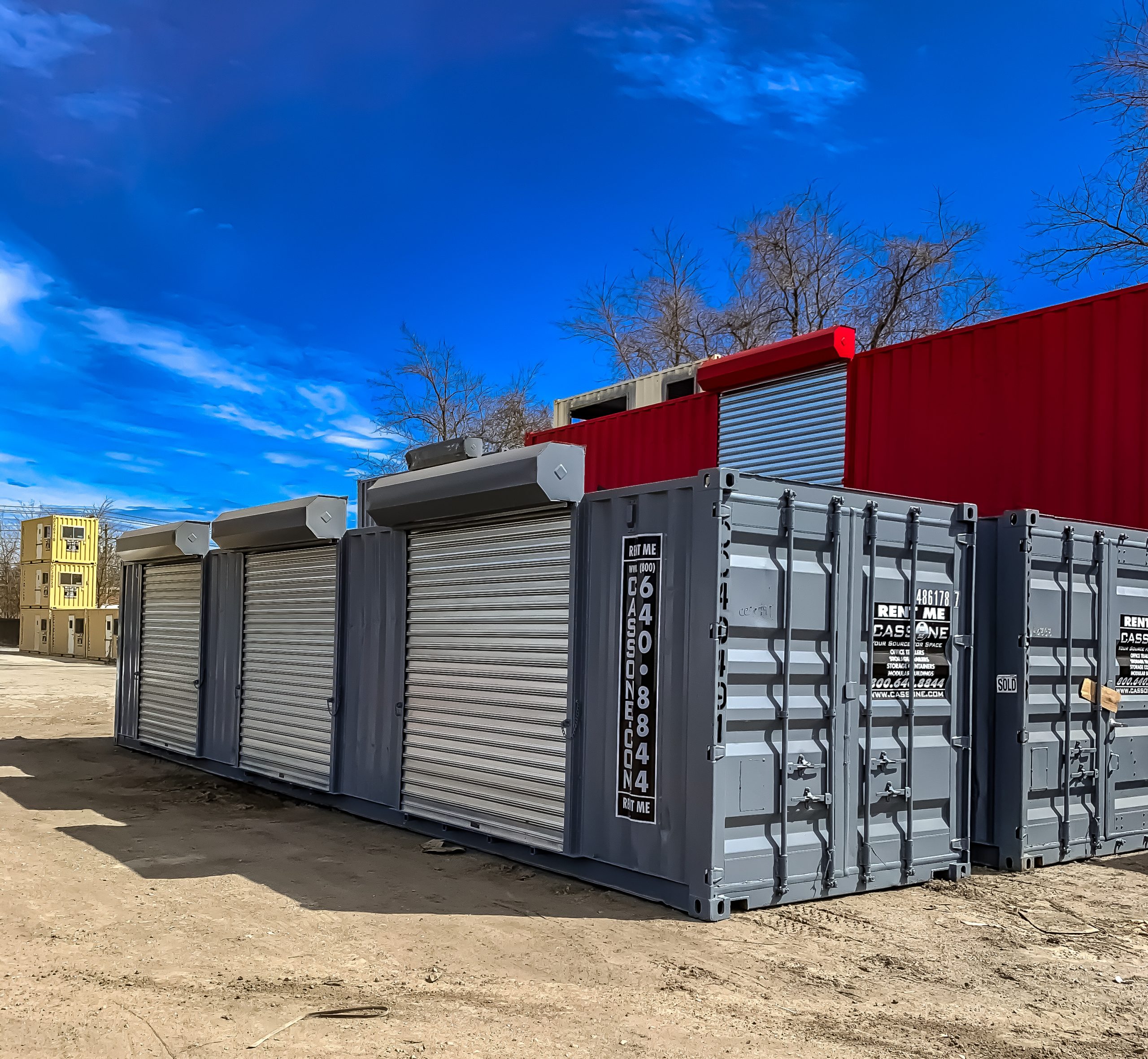
    Ground Level Storage Container Building Units In New York

    Ground level storage container building units in new york www.cassone.com

    A Comprehensive Guide On Warehouse Storage

    A comprehensive guide on warehouse storage barbaraiweins.com

    The 14 Best Storage Units In Toronto [2022]

    The 14 best storage units in toronto [2022] torontoblogs.ca
    Read More..

    Sabtu, 27 September 2025

    141+ Flat Roof House Gutter

    What is a flat? www.redfin.com

    ```html
    Introduction: DIY Flat Roof Gutter Flat roofs present unique challenges when it comes to water runoff. Without properly installed gutters, water can pool, leading to leaks, structural damage, and a host of other problems. This post will guide you through the process of building your own effective gutter system for a flat roof, saving you money and ensuring your home is protected from the elements.
    Materials and Tools Needed Before you begin, gather all the necessary materials and tools. This will streamline the process and prevent frustrating interruptions. Here's a comprehensive list:
    • Gutter material (aluminum, vinyl, or galvanized steel aluminum is recommended for its durability and resistance to rust)
    • End caps
    • Outlet tubes/drop outlets
    • Downspout material (matching gutter material)
    • Screws/rivets/sealant suitable for your chosen material
    • Gutter sealant (silicone-based)
    • Roof flashing (aluminum or galvanized steel)
    • Measuring tape
    • Pencil or marker
    • Saw (for cutting gutters and downspouts)
    • Drill with appropriate drill bits
    • Riveter (if using rivets)
    • Seam roller (optional, but helpful for a tight seal)
    • Ladder
    • Safety glasses and gloves
    • Caulking gun
    • Level
    Step 1: Planning and Measuring Accurate measurements are crucial for a successful gutter installation. Begin by measuring the perimeter of your flat roof to determine the total length of gutter needed. Consider the slope of your roof (even flat roofs often have a slight pitch) to determine the best location for your downspouts. Plan for at least one downspout for every 30-40 feet of gutter. Mark the desired location of each downspout outlet. Also, measure the height from the roof to the ground to calculate the length of downspout required.
    Step 2: Installing the Gutter Outlets At each designated downspout location, carefully cut a hole in the gutter to accommodate the outlet tube or drop outlet. The size of the hole should match the diameter of the outlet. Apply a generous bead of gutter sealant around the rim of the outlet and securely attach it to the gutter, using screws or rivets as appropriate. Ensure a watertight seal.
    Step 3: Assembling the Gutters Cut the gutter sections to the required lengths using your saw. If you need to join multiple sections together, overlap them by a few inches. Apply a bead of gutter sealant between the overlapping sections and secure them with screws or rivets. Use a seam roller for extra security. Attach end caps to the ends of the gutter sections using sealant and screws or rivets, ensuring they are watertight.
    Step 4: Attaching the Gutters to the Roof This step requires careful consideration of your roof's structure. For flat roofs, you'll typically need to attach the gutters to the fascia or roof edge. Use roof flashing to create a secure and waterproof attachment point. Cut the flashing into appropriate lengths and bend it to conform to the shape of the gutter and the roof edge. Secure the flashing to the roof using screws. Attach the gutters to the flashing using screws, ensuring they are properly aligned and level, even taking into account the slight pitch necessary for drainage toward the downspouts.
    Step 5: Installing the Downspouts Attach the downspouts to the outlet tubes or drop outlets. Use screws or rivets to secure them. Secure the downspouts to the side of your building using downspout straps. Ensure the downspouts direct water away from the foundation of your house. You may need to extend the downspouts with additional sections or use splash blocks to achieve this.
    Step 6: Sealing and Testing Inspect all seams, joints, and connections for any gaps or leaks. Apply additional gutter sealant as needed. Once the sealant has cured, test the gutter system by running water from a hose onto the roof and observing how it flows through the gutters and downspouts. Make any necessary adjustments or repairs to ensure proper drainage.
    Conclusion: Enjoying Your DIY Gutters By following these steps, you can successfully build and install your own gutter system for a flat roof. This DIY project will save you money and provide essential protection against water damage. Remember to regularly inspect your gutters and downspouts for debris and clogs to maintain optimal performance.
    ```

    What Is A Flat?

    What is a flat? www.redfin.com

    House Design For 2-bhk Mumbai Flat

    House design for 2-bhk mumbai flat www.livspace.com

    Winkworth Highcliffe Flats For Sale At Timothy Bledsoe Blog

    Winkworth highcliffe flats for sale at timothy bledsoe blog exoymukvw.blob.core.windows.net
    Read More..

    Jumat, 26 September 2025

    113+ Tuff Shed Build Your Own

    26 facts about the rock (movie) facts.net

    Introduction: Building Your Own Tuff Shed A DIY Guide So, you're looking to add some much-needed storage space or a workshop to your property without breaking the bank? Building your own Tuff Shed, or at least a shed inspired by Tuff Shed designs, is a fantastic option. This guide will walk you through the process, from planning to the final touches. Remember to adjust measurements and materials based on your specific needs and local building codes. Safety first!
    Step 1: Planning and Preparation Before you even think about swinging a hammer, meticulous planning is crucial.
  • Shed Size and Location: Determine the size of the shed based on your storage requirements and available space. Consider accessibility, drainage, and proximity to property lines. Check local zoning regulations and HOA rules regarding shed size, setbacks, and required permits.
  • Design and Blueprints: Create detailed blueprints outlining the shed's dimensions, framing layout, roofing style, and door/window placements. There are many online resources and software programs that can assist with shed design.
  • Materials List: Generate a comprehensive materials list based on your blueprints, including lumber (pressure-treated for the base), plywood, roofing materials, siding, doors, windows, fasteners, and any necessary hardware.
  • Tools and Equipment: Gather all the necessary tools, including a circular saw, drill, level, measuring tape, hammer, safety glasses, work gloves, and any specialized tools required for your design.
  • Permits: Obtain all required building permits before starting construction. Ignoring permits can lead to fines or forced demolition.
  • Step 2: Foundation Construction A solid foundation is the backbone of any shed. There are several foundation options:
  • Gravel Pad: The simplest option, involving leveling the ground and compacting a gravel base. Suitable for smaller sheds in areas with good drainage.
  • Concrete Slab: A more permanent and robust option, requiring pouring a concrete slab according to your blueprints. Ideal for larger sheds or workshops.
  • Skid Foundation: Using pressure-treated lumber to create a frame supported by skids, allowing the shed to be moved if needed.
  • Regardless of the chosen foundation, ensure it is level, square, and provides adequate support for the shed. This step is critical for the overall structural integrity.
    Step 3: Framing the Floor With the foundation in place, it's time to frame the floor.
  • Cut Lumber: Cut the pressure-treated lumber according to your blueprints to create the perimeter joists and interior joists.
  • Assemble the Frame: Assemble the floor frame using nails or screws, ensuring it is square and level.
  • Install Joists: Install the interior joists, spacing them according to your design (typically 16 or 24 inches on center).
  • Sheath the Floor: Cover the floor frame with plywood sheathing, securing it with nails or screws.
  • Step 4: Wall Framing Building the walls is where the shed starts to take shape.
  • Cut Wall Studs: Cut the wall studs, top plates, and bottom plates according to your blueprints.
  • Assemble Wall Frames: Assemble the wall frames on the ground, including studs spaced 16 or 24 inches on center. Incorporate framing for door and window openings.
  • Raise and Secure Walls: Raise each wall frame into position, ensuring it is plumb and square. Secure the walls to the floor frame using nails or screws.
  • Connect Walls: Connect the wall frames together at the corners, creating a solid and stable structure.
  • Step 5: Roofing The roof protects your shed from the elements.
  • Install Rafters or Trusses: Install rafters or trusses according to your blueprints, ensuring they are properly spaced and secured to the wall frames.
  • Sheath the Roof: Cover the roof frame with plywood sheathing, securing it with nails or screws.
  • Install Roofing Underlayment: Apply roofing underlayment (felt paper or synthetic underlayment) to protect the roof sheathing from moisture.
  • Install Roofing Material: Install the roofing material of your choice (shingles, metal roofing, etc.) according to the manufacturer's instructions.
  • Step 6: Siding and Exterior Finishing Siding protects the walls and enhances the shed's appearance.
  • Install Siding: Install siding (wood, vinyl, metal, etc.) according to the manufacturer's instructions, ensuring it is properly overlapped and secured.
  • Trim and Details: Add trim around windows, doors, and corners to protect the edges and enhance the appearance.
  • Paint or Stain: Paint or stain the shed to protect it from the elements and match your desired aesthetic.
  • Step 7: Doors and Windows Install doors and windows to provide access and ventilation.
  • Install Door Frame: Install the door frame, ensuring it is plumb and square.
  • Hang Door: Hang the door, ensuring it swings freely and closes properly.
  • Install Window Frames: Install the window frames, ensuring they are level and secure.
  • Install Windows: Install the windows, ensuring they are properly sealed.
  • Step 8: Interior Finishing (Optional) Depending on your needs, you may choose to finish the interior.
  • Insulation: Install insulation in the walls and roof to regulate temperature.
  • Wall Paneling: Install wall paneling (plywood, drywall, etc.) to create a finished interior.
  • Electrical Wiring: If desired, install electrical wiring, outlets, and lighting. Consult a qualified electrician for this task.
  • Shelving and Storage: Install shelving and storage solutions to maximize usable space.
  • Conclusion: Enjoy Your New DIY Tuff Shed! Congratulations! You've successfully built your own Tuff Shed (or a shed inspired by Tuff Shed designs). With careful planning, diligent work, and attention to detail, you now have a functional and aesthetically pleasing storage space or workshop that will serve you for years to come. Remember to regularly maintain your shed to ensure its longevity.

    Volcanic Tuff (near Cripple Creek, Colorado, Usa) 1

    Volcanic tuff (near cripple creek, colorado, usa) 1 www.flickriver.com

    26 Facts About The Rock (movie)

    26 facts about the rock (movie) facts.net

    Tuff Cut Out Stock Images & Pictures

    Tuff cut out stock images & pictures www.alamy.com
    Read More..

    Kamis, 25 September 2025

    93+ Shed With Automated Lighting

    Cedar shed kits, cedar garden & storage sheds cedarshed.com

    Opening: Light Up Your Life (and Your Shed) with DIY Automated Lighting!
    Ready to transform your shed from a dark, cobweb-filled corner into a bright, functional workspace? This step-by-step guide will walk you through building a simple, affordable automated lighting system. We'll use readily available components and basic wiring to create a setup that turns on the lights when you enter and off when you leave. No more fumbling for switches in the dark!
    Step 1: Gathering Your Supplies
    First, we need to collect our materials. Here's a list of what you'll need:
    • A PIR (Passive Infrared) motion sensor. Choose one rated for indoor/outdoor use.
    • An LED light fixture (or multiple). Consider the brightness and wattage you need.
    • A power supply suitable for your LED lights (if they don't have a built-in driver).
    • A relay module (5V or 12V depending on your PIR sensor).
    • Hook-up wire (various colors for easy identification).
    • A project enclosure (plastic box to house the electronics).
    • Wire connectors or soldering equipment.
    • Screws, zip ties, and other fasteners.
    • Tools: screwdriver, wire stripper, multimeter, drill (if needed for mounting).
    Step 2: Understanding the Circuit
    Before we start wiring, let's understand the basic circuit. The PIR sensor detects motion and sends a signal to the relay module. The relay acts like a switch, closing the circuit for the LED lights when motion is detected. When no motion is detected for a set period (adjustable on most PIR sensors), the relay opens, turning off the lights.
    Step 3: Preparing the Enclosure
    Drill holes in your project enclosure for mounting the PIR sensor, wiring, and any other components. Consider the placement of these holes to minimize exposed wiring. Ensure the holes are appropriately sized for the components you will be inserting.
    Step 4: Wiring the PIR Sensor and Relay Module
    This is where the magic happens! Connect the PIR sensor to the relay module according to the datasheets for both components. Typically, you'll need to connect:
    • Power (VCC/Positive) from your power supply to both the PIR sensor and relay module.
    • Ground (GND/Negative) from your power supply to both the PIR sensor and relay module.
    • The output signal from the PIR sensor to the signal/input pin of the relay module.
    Double-check the voltage requirements of your PIR sensor and relay before making these connections. Wiring diagrams are helpful here!
    Step 5: Wiring the Relay Module and LED Lights
    Now, connect the relay module to your LED lights and power supply. Connect:
    • One wire from your power supply (typically positive) to the common (COM) terminal of the relay.
    • One wire from the normally open (NO) terminal of the relay to the positive terminal of your LED lights.
    • The negative terminal of your LED lights directly to the negative terminal of your power supply.
    Make sure your power supply is adequately rated for the voltage and current requirements of your LED lights.
    Step 6: Testing and Adjusting
    Before permanently mounting everything, power up the circuit and test the functionality. Wave your hand in front of the PIR sensor. The lights should turn on. Wait for the timeout period (usually adjustable on the PIR sensor). The lights should turn off. Adjust the sensitivity and timeout settings on the PIR sensor to your liking.
    Step 7: Mounting and Securing
    Once you're satisfied with the functionality, securely mount all the components inside the project enclosure. Use zip ties or other fasteners to keep the wiring neat and organized. Mount the PIR sensor in a location where it will effectively detect motion in the shed. Finally, mount the LED lights in a location where they will provide adequate illumination.
    Step 8: Final Touches
    Carefully inspect all wiring connections to ensure they are secure and properly insulated. Double-check the polarity of all connections. Tidy up any loose wires. Consider labeling the wires for future reference.
    Conclusion: Enjoy Your Smart Shed!
    Congratulations! You've successfully built an automated lighting system for your shed. Enjoy the convenience of having your lights turn on automatically when you enter and off when you leave. This simple project adds both functionality and convenience to your workspace. Consider expanding this system with additional features like dimming or remote control in the future!

    Quality Outdoor Structures T0808sv Wood Storage Shed (8 Ft. X 8 Ft.)

    Quality outdoor structures t0808sv wood storage shed (8 ft. x 8 ft.) www.sears.com

    Cedar Shed Kits, Cedar Garden & Storage Sheds

    Cedar shed kits, cedar garden & storage sheds cedarshed.com

    Forest Garden 4 X 3 Wooden Storage Shed

    Forest garden 4 x 3 wooden storage shed www.wayfair.co.uk
    Read More..